Thu Aug 29 2024
5 Ways Mood Disorders Affect Relationships and Social Life
Five ways mood disorders such as depression and bipolar disorder affect relationships and social interactions, with steps for both people and guidance on getting help in Texas.
Published by Lyte Psychiatry · Meet our care team
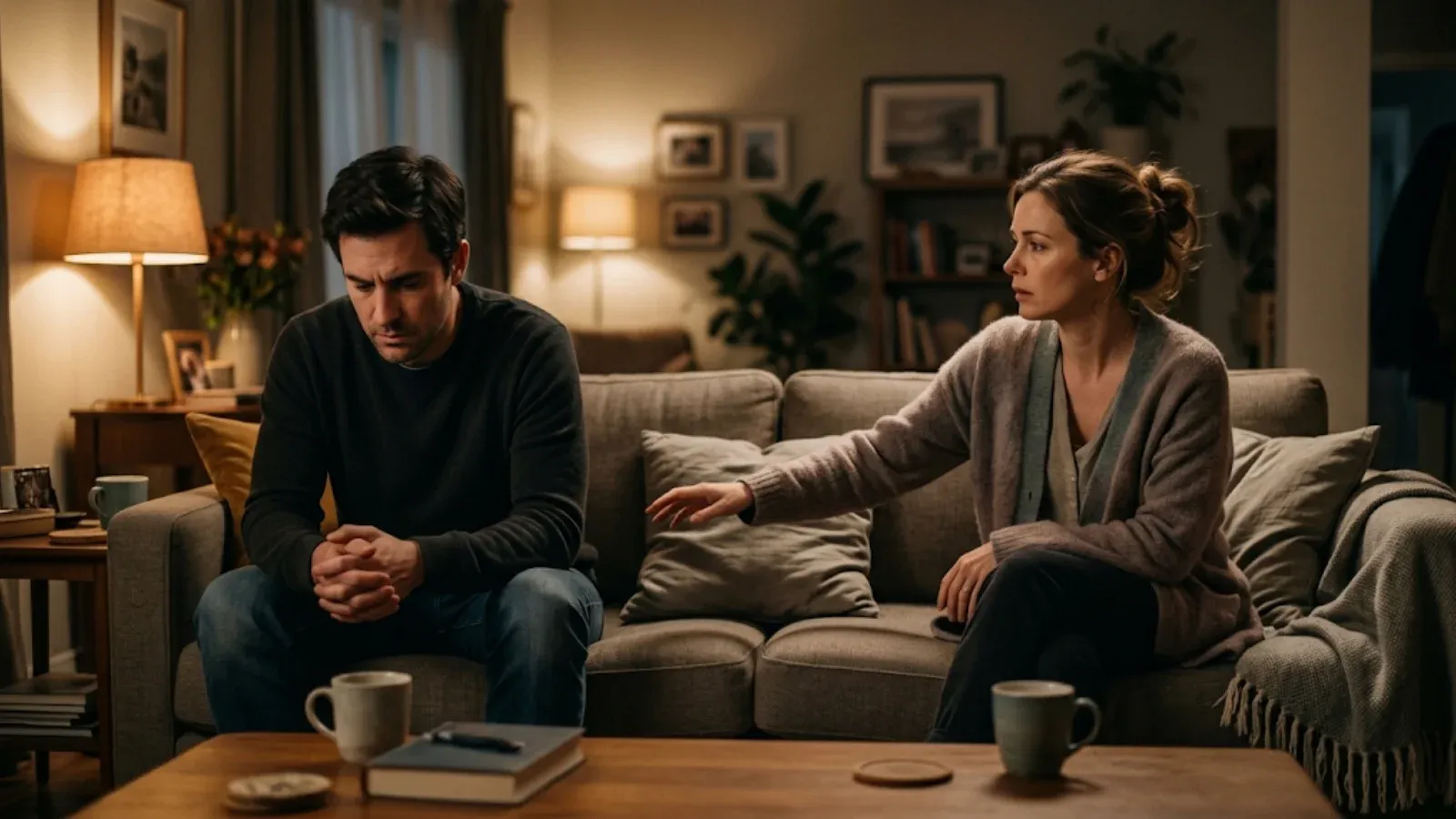
Mood disorders and relationships affect each other in both directions. Depression and bipolar disorder change energy, patience, interest and mood, and those are the raw materials of every close relationship, so communication, closeness, conflict, social life and parenting all feel the strain. Understanding the five most common effects, and treating the condition, is how couples and families come through intact.
This article is for adults in Texas who live with depression or bipolar disorder, and for the partners, family members and friends who love them. It describes five ways mood disorders and relationships collide, gives practical steps for both people, suggests what to say, and explains when to get help sooner.
What are mood disorders, and why do they reach into relationships?
Mood disorders are conditions in which mood is persistently or episodically out of proportion to circumstances, and depression and bipolar disorder are the two most common. The National Institute of Mental Health (NIMH) describes depression as symptoms that last most of the day, nearly every day, for at least two weeks, including loss of interest, fatigue, irritability and difficulty concentrating.
NIMH describes bipolar disorder as involving episodes of feeling very up or extremely irritable alongside episodes of depression, and notes that it can be an important factor in family discord. Relationships are built on attention, affection, reliability and shared time, and mood disorders disrupt each of those directly.
1. How do mood disorders affect communication?
Mood disorders affect communication by flattening it, speeding it up, or turning it sharp. In depression, conversations shrink: one-word answers, long silences, and difficulty finding the energy to explain what is wrong. NIMH lists difficulty concentrating, remembering or making decisions among depression's symptoms, and a partner may read a missed detail as not caring.
In a manic or hypomanic episode, the opposite happens. NIMH lists talking fast about a lot of different things among the symptoms, and a partner can feel talked over or unable to keep up. Either way, the practical fix is the same: name the pattern as a symptom, keep messages short and concrete, and save important decisions for a stable day.
2. How do mood disorders lead to withdrawal and isolation?
Mood disorders lead to withdrawal because low energy and loss of interest make every invitation feel like a demand, and shame about the withdrawal then makes reaching back out harder. Friends stop asking, the circle shrinks, and the person has fewer sources of support exactly when they need more.
The Centers for Disease Control and Prevention (CDC) describes social connectedness as protective against depression and anxiety, which is why the isolation that depression produces also feeds it. For partners and friends, the useful move is to keep inviting without pressure, and to offer low-energy options: sitting together, a short walk, a shared show. The Lyte article on why you feel so lonely looks at the loop in more depth.
3. How do mood disorders affect intimacy and trust?
Mood disorders affect intimacy by removing desire and affection in depression and, in bipolar disorder, by sometimes producing choices during an episode that damage trust. NIMH lists loss of interest or pleasure in hobbies and activities among depression's symptoms, and intimacy is one of those activities. A partner may feel rejected when the real cause is a symptom.
During mania, NIMH lists an excessive appetite for food, drinking, sex or other pleasurable activities among the symptoms, along with difficulty maintaining relationships. Spending, impulsive decisions or infidelity during an episode can leave lasting hurt. Repair is possible, and it usually involves treatment for the condition, honest acknowledgment of the harm, and sometimes couples work once the person is stable.
4. How do mood disorders increase conflict?
Mood disorders increase conflict because irritability lowers the threshold for an argument, and low energy lowers the capacity to repair one. NIMH lists feelings of irritability and frustration among depression's symptoms, and MedlinePlus notes that rather than sad, men with depression may appear angry or irritable.
Small things, a dish in the sink or a late reply, become fights, and both people end the day exhausted. A useful rule for couples: no big conversations after 9 p.m. or when either person has not eaten or slept. If anger is the main way depression shows up in your household, the Lyte article on when depression looks like anger may help you recognize it.
5. How do mood disorders affect parenting and family life?
Mood disorders affect parenting by making consistency hard, and children notice inconsistency before anything else. A depressed parent may have the will but not the energy for bedtime routines, homework and patience. A parent in a mood episode may be unusually permissive one week and unusually strict the next. The other parent often takes on more, and resentment can build on both sides.
Children do best when the household names what is happening in age-appropriate language, keeps routines as steady as possible, and makes sure the children know it is not their fault and not their job to fix. Treatment for the parent is the most protective thing a family can do. NIMH notes that bipolar disorder usually requires lifelong treatment and that psychotherapy can offer support, education, skills and strategies to people with the disorder and their families.
Step by step: protecting a relationship through a mood disorder
With mood disorders and relationships, you protect the relationship by treating the condition, agreeing on a plan for the hard weeks, and keeping both people supported.
- Get an accurate diagnosis. Depression and bipolar disorder are treated differently. If low periods alternate with stretches of unusual energy and little sleep, read Lyte's article on bipolar 2 versus depression and ask for a psychiatric evaluation.
- Learn the early warning signs together. Write down what the first days of a low or high look like for your household.
- Agree on a bad-week plan. Who handles what, which conversations wait, and when to call the clinician.
- Keep treatment going in good weeks. Stopping care when things improve is the most common path back to a crisis.
- Protect the supporter. The partner or parent who is not ill needs friends, rest and sometimes their own therapist.
- Repair on purpose. After a hard stretch, name what happened, apologize where needed, and plan one good thing together.
What to say: for both sides of the relationship
The most useful sentences are short, specific and free of blame. These are example phrases, offered only as examples.
- From the person with the mood disorder: "I am in a low stretch. It is not about you. I need quiet tonight, and I will tell you when I come up for air."
- From the person with the mood disorder: "I think I am getting high. Please hold the credit card and remind me to sleep."
- From a partner: "I have noticed you have been quiet for two weeks. I am not going anywhere. Would you be willing to book an appointment?"
- From a partner: "I am not angry at you. I am tired, and I need help this week."
- From a friend: "No pressure to talk. I am dropping dinner on the porch Thursday."
NIMH's advice to bring concerns up directly with a provider applies at home too: treatment works best with a good relationship with your mental health professional, and recovery works best with a good relationship at home.
When to get help sooner: red flags
Get help sooner when a mood disorder brings any of the following into a relationship or household, because they are signs that the condition is not under control.
- Any talk of suicide, of being a burden, or of others being better off without the person. The 988 Lifeline notes that anyone can contact 988 for help when someone they care about is struggling.
- Several days of very little sleep with unusual energy, big spending or risky behavior.
- Threats, intimidation or violence from either person. Safety comes first; call 911 if anyone is in danger.
- Withdrawal lasting more than two weeks that includes missing work, school or basic self-care.
- Increased drinking or drug use to cope.
- Children showing new fear, anger, school problems or sleep problems.
Mood disorder care in Texas: what couples and families should know
In Texas, treatment for depression and bipolar disorder is available in person and by telehealth, and both formats work for ongoing medication management and therapy. Lyte Psychiatry offers telehealth visits to patients who are physically located in Texas at the time of the visit, and in-person visits are available at Lyte Psychiatry's clinic in Pantego, in the Dallas–Fort Worth area.
Partners can attend a visit with permission, and many people find that bringing a partner to one appointment early on helps the household understand the plan. Lyte Psychiatry is an outpatient practice and does not provide crisis or after-hours coverage, so every family should also know its county's 24/7 crisis line. Coverage for video and in-person visits varies by plan, so confirm your benefits.
Getting support in Texas
Lyte Psychiatry offers therapy, psychiatric evaluation and medication management in Texas. Most new patients are seen within 1–2 business days. Weekend appointments are limited. All Lyte Psychiatry services are available in Spanish.
Lyte Psychiatry does not provide inpatient care, crisis or after-hours coverage, medically supervised detox, or intensive outpatient or partial hospitalization programs. Availability, insurance and clinician fit require confirmation. Learn about depression care, therapy at Lyte, or contact the practice.
If you are in a mental-health crisis in the United States, call or text 988. Call 911 for immediate danger.
Educational information, not a diagnosis or individual treatment plan.
Common Questions
Frequently Asked Questions
How do mood disorders affect relationships?
Mood disorders change energy, mood, patience and interest, and relationships run on all four. Depression tends to pull a person inward and flatten affection; bipolar disorder adds swings between withdrawal and intensity. The National Institute of Mental Health lists difficulty maintaining relationships and social activities among the symptoms of bipolar disorder. Treatment and honest communication reduce the strain.
Why does my partner with depression seem distant or irritable?
Distance and irritability are symptoms, not verdicts on the relationship. NIMH lists loss of interest, fatigue and feelings of irritability and frustration among the signs of depression. The person often feels guilty about the distance and cannot simply decide to be warmer. Naming it as a symptom, and getting treatment, usually helps more than taking it personally.
Can a relationship survive a mood disorder?
Many do, especially when the condition is treated and both people understand what the symptoms are. The hardest stretches are usually untreated or undiagnosed periods. Couples who learn the early warning signs, agree on a plan for bad weeks, and keep their own support outside the relationship tend to come through with the relationship intact and often stronger.
How can I support someone with a mood disorder without burning out?
Learn the symptoms, encourage treatment, and keep your own life. Offer specific help rather than open-ended questions, set limits you can keep, and talk to your own friends or a therapist. The 988 Lifeline notes that anyone can contact 988 for guidance when a friend is struggling. Supporting someone does not require carrying them alone.
What should I say to a partner who is withdrawing?
Keep it short and free of pressure: 'I have noticed you have been quiet. I am not going anywhere. Is there one small thing we could do together this week?' Avoid demanding explanations or energy the person does not have. Invite without insisting, and keep inviting, because withdrawal usually eases gradually rather than all at once.
Does couples therapy help when one partner has a mood disorder?
It can, alongside individual treatment for the mood disorder itself. NIMH describes psychotherapy as able to address self-defeating thinking and other patterns, and couples work applies that to the patterns between two people. Many couples start with the person getting their own care first, then add a few joint sessions to rebuild communication and repair what the bad months damaged.
Does Lyte Psychiatry treat depression and bipolar disorder in Texas?
Yes. Lyte Psychiatry offers therapy, psychiatric evaluation and medication management in Texas, in person at its clinic in Pantego in the Dallas–Fort Worth area and by telehealth for patients physically located in Texas at the time of the visit. All services are available in Spanish. Availability, insurance and clinician fit require confirmation.
Further Reading
NIMH — Depression Overview
Prevalence, symptoms, and evidence-based treatments
CDC — Mental Health Data & Statistics
National survey data on depressive disorders
APA — Depression Fact Sheet
Clinical guidance from the American Psychological Association
These topic resources supplement the references linked within the article.
Related Care and Resources
Lyte Psychiatry — Texas
Depression Treatment in Texas
Medication management and therapy for major depression, persistent depressive disorder, and seasonal depression.
Find Care Near You
Lyte Psychiatry serves patients across Texas — in-person in DFW and via telehealth statewide.
Don't see your city? View all Texas locations →
Questions about cost? View insurance and payment information