Tue Dec 02 2025
Anxiety in Teens: What Texas Parents Should Know
A parent guide to anxiety in teens: common signs, normal worry versus an anxiety disorder, what to say, red flags and how Texas families can find help.
Published by Lyte Psychiatry · Meet our care team
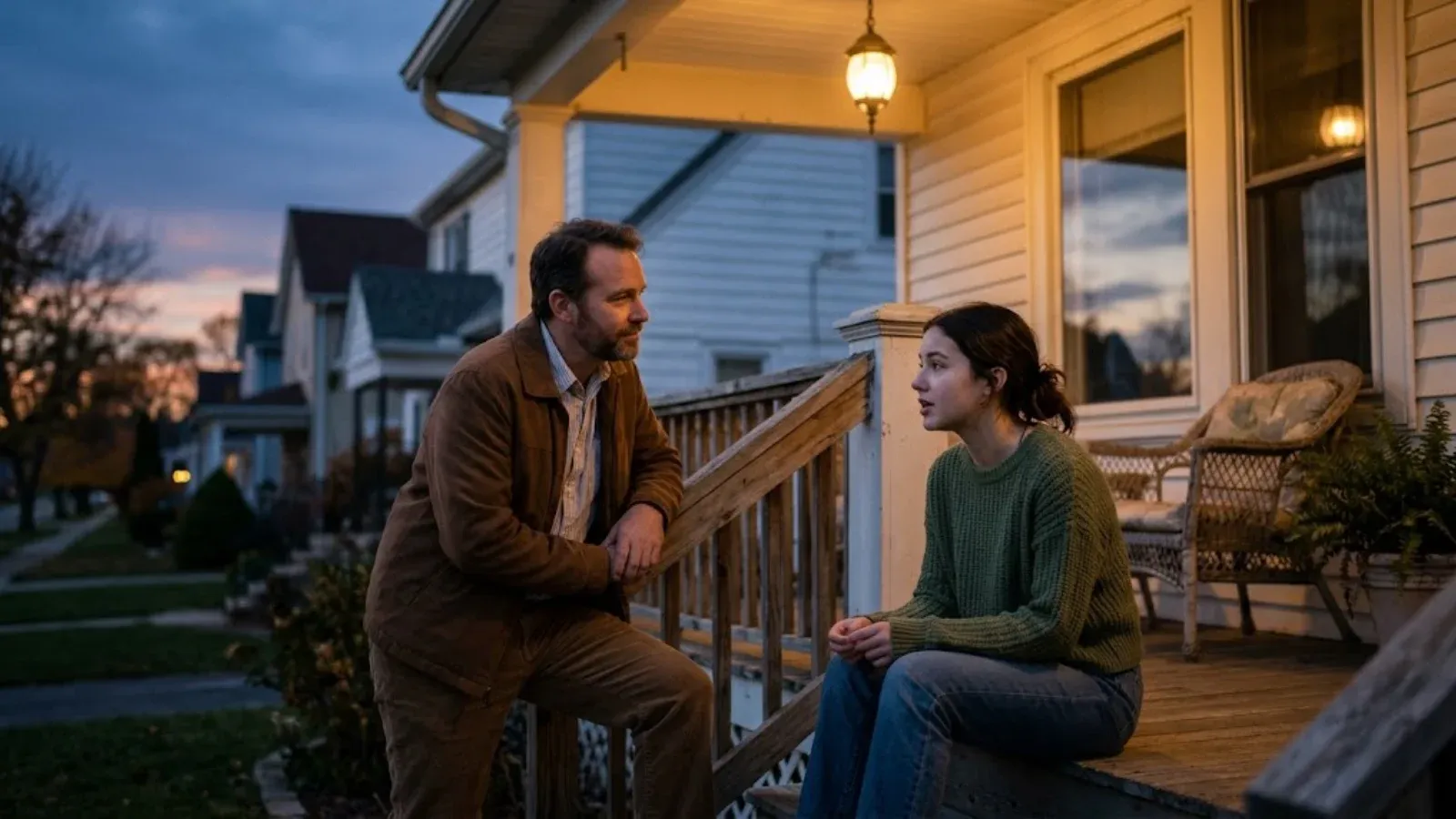
Anxiety in teens is worry, fear or nervousness that sticks around, shows up in many situations and starts getting in the way of school, sleep, friendships or family life. Some worry is a normal part of growing up. When it lasts for weeks, causes real distress or leads a teen to avoid things they need to do, it is worth talking with a health care provider.
This guide is for parents and caregivers in Texas who are noticing changes in a teenager and want to know what is typical, what to watch for, how to start the conversation and where to turn for help. It is general education, not a diagnosis for any one family.
What does anxiety in teens look like?
Anxiety in teens often looks less like "worry" and more like irritability, stomachaches, trouble sleeping or avoiding certain places. The Centers for Disease Control and Prevention (CDC) lists irritability or anger, trouble sleeping and physical symptoms such as fatigue, headaches or stomachaches among the ways anxiety and depression can show up in young people.
Signs parents often notice include:
- Frequent "what if" questions or asking for reassurance again and again
- Headaches, stomachaches or nausea before school, tests or social events
- Restlessness, feeling on edge or trouble concentrating
- Avoiding school, practices, parties, driving or phone calls
- Staying up late with racing thoughts, or being exhausted in the morning
- Strong reactions to small changes in plans
The National Institute of Mental Health (NIMH) describes generalized anxiety disorder symptoms such as feeling restless or on edge, being easily tired and having trouble concentrating. Teens may not have words for these feelings, so behavior is often the first clue.
How is normal teen worry different from an anxiety disorder?
Normal teen worry is tied to a specific event and fades when the event passes, while an anxiety disorder tends to persist and spread. NIMH explains that anxiety disorders do not go away, can get worse over time and can interfere with daily activities such as schoolwork and relationships.
Here is a simple way to compare them:
- Typical worry: nerves before a big test that ease once it is over.
- Possible anxiety disorder: dread about school most days, for weeks, even when nothing specific is coming up.
- Typical worry: feeling awkward at a new school for the first few weeks.
- Possible anxiety disorder: refusing to go to lunch, class or activities because of fear of being judged.
NIMH advises families to seek help when behaviors last for weeks or longer, cause distress and interfere with daily functioning. Duration, intensity and impact matter more than any single symptom.
What can cause or worsen anxiety in teens?
Anxiety in teens usually comes from a mix of factors rather than one cause. These can include family history, temperament, stressful life events, academic pressure, social conflict, online pressures, sleep loss and health problems. None of these mean a parent did something wrong.
Some everyday habits can make anxiety feel worse. The American Academy of Sleep Medicine (AASM) notes that many teens and young adults use caffeine for an energy boost, and caffeine late in the day can make it harder to fall asleep. Short sleep and high caffeine together can leave a teen feeling jittery and more reactive the next day.
Major changes, such as a move, a new school, a breakup, family conflict or a loss, can also raise anxiety. Pay attention to timing: when did the change in your teen start, and what was happening then?
How does anxiety affect school, sleep and friendships?
Anxiety can quietly affect almost every part of a teen's day. A teen may spend so much energy worrying that there is little left for homework, or may avoid asking teachers for help. Grades can slip even in students who used to do well.
Sleep often suffers first. Worry tends to get louder at night, and a tired teen has a harder time managing stress the next day. Friendships can shrink when a teen starts skipping events or leaving group chats to avoid uncomfortable feelings.
The CDC notes that depression and anxiety often co-occur in children, so it helps to watch for low mood, loss of interest or hopelessness alongside worry. For more on school effects, see our guide to when a teen refuses school.
How can parents help? A step-by-step plan
Parents can help most by staying calm, noticing patterns and supporting gradual steps forward rather than removing every source of stress. A step-by-step approach keeps things manageable:
- Observe for two weeks. Write down when anxiety shows up, what seems to trigger it, and how it affects sleep, school and activities.
- Pick a calm moment to talk. Car rides, walks or cooking together often feel less intense than a face-to-face sit-down.
- Listen first. Reflect what you hear before offering solutions.
- Protect the basics. Aim for regular sleep and wake times, meals and some daily movement.
- Encourage small brave steps. Avoidance shrinks fear in the short term but tends to grow it over time. Support small, doable steps instead of skipping everything.
- Check in with the school. NIMH suggests asking teachers and school staff what they have noticed.
- Talk with a health care provider. Share your notes with your teen's pediatrician or a mental health professional.
If you are unsure whether to start with a pediatrician, therapist or psychiatric evaluation, our article on child anxiety and who to see first walks through the options.
What should I say to my anxious teen?
The most helpful thing to say is usually short, calm and curious, without arguing about whether the fear "makes sense." Teens tend to open up when they feel heard rather than fixed.
Example phrases (these are examples, not scripts you must follow):
- "I've noticed mornings seem really hard lately. What's that like for you?"
- "That sounds stressful. I'm glad you told me."
- "You don't have to figure this out alone. Can we think about one small next step together?"
- "Lots of people deal with anxiety, and it can get better with help."
Things to avoid: "Just stop worrying," "You're overreacting," or making plans for your teen without asking what they think.
A quick checklist to bring to a first appointment:
- When the changes started and how often they happen
- Sleep, appetite and screen-time patterns
- School changes, including grades and missed days
- Physical complaints and any medical conditions
- Family history of anxiety, depression or other mental health conditions
- Any medicines, supplements, caffeine or substance use you know about
When should I get help sooner? Red flags
Get help right away if your teen talks about wanting to die, harming themselves or feeling like a burden. NIMH lists warning signs of suicide that include talking about wanting to die, feeling hopeless or trapped, withdrawing from others and increased substance use, and advises getting help as soon as possible.
Other reasons to seek care sooner rather than later:
- Refusing school for more than a few days
- Panic attacks that are frequent or frightening
- Not eating, or major weight change
- Using alcohol, vaping or other substances to cope
- Self-harm, even if your teen says it "isn't serious"
- Anxiety alongside low mood, hopelessness or loss of interest in most things
If you are worried about your teen's safety right now, call or text 988 or call 911. Our mental health safety plan template can help families prepare before a crisis.
What happens at an evaluation for teen anxiety?
An evaluation is a conversation-based assessment that looks at symptoms, history, school, family and health to understand what is going on. NIMH explains that a comprehensive evaluation usually involves a parent interview, information from the child's school and, if needed, an interview with the child.
Treatment plans differ for each teen. The CDC notes that cognitive behavioral therapy (CBT) is one form of therapy used to treat anxiety or depression, particularly in older children, and that a health care provider can help determine whether medication should be part of treatment. Medication is a decision made with a prescriber, never on your own.
Parents usually play an active role. Ask what you can do at home, how progress will be tracked and when the plan will be reviewed.
What should Texas parents know about local resources?
Texas families have statewide resources that can help them find care or crisis support. 2-1-1 Texas is a free information and referral line; you can dial 2-1-1 or use online chat in English or Spanish to find counseling and mental health services near you.
Texas Health and Human Services lists 24/7 crisis lines run by local mental health authorities for each Texas county. In Tarrant County, for example, that is MHMR of Tarrant County. Rules about consent and confidentiality for minors vary by state, so ask any Texas practice how parent involvement and privacy work for teens in their care.
Getting support in Texas
Lyte Psychiatry offers therapy, psychiatric evaluation and medication management in Texas. Whether a specific clinician sees teens, and which ages, requires confirmation with the practice before booking.
In-person visits are available at Lyte Psychiatry's clinic in Pantego, in the Dallas–Fort Worth area. Lyte Psychiatry offers telehealth visits to patients who are physically located in Texas at the time of the visit. All Lyte Psychiatry services are available in Spanish. Most new patients are seen within 1–2 business days. Weekend appointments are limited. Availability, insurance and clinician fit require confirmation.
Learn more about anxiety care or telehealth in Texas, and read about teen sleep and stress if sleep is part of the picture.
Lyte Psychiatry is an outpatient practice. It does not provide inpatient care, crisis or after-hours coverage, medically supervised detox, or intensive outpatient or partial hospitalization programs.
If you are in a mental-health crisis in the United States, call or text 988. Call 911 for immediate danger.
Educational information, not a diagnosis or individual treatment plan.
Common Questions
Frequently Asked Questions
What are the most common signs of anxiety in teens?
Common signs of anxiety in teens include frequent worry or reassurance seeking, irritability, trouble sleeping, stomachaches or headaches, restlessness, trouble concentrating and avoiding school or social situations. The CDC lists irritability, sleep problems and physical complaints among signs in young people. A pattern lasting weeks matters more than a single bad day.
How do I know if my teen's worry is normal or an anxiety disorder?
Normal worry is linked to a specific event and fades afterward. An anxiety disorder tends to last for weeks or longer, shows up in many situations and interferes with school, sleep, friendships or family life. If you are unsure, track patterns for two weeks and share your notes with a pediatrician or mental health professional.
Should I let my anxious teen stay home from school?
Occasional rest days are not harmful, but repeated avoidance usually makes anxiety stronger over time. Talk with the school about small supports, encourage gradual steps back and contact a health care provider if your teen is missing more than a few days. School refusal is a reason to get professional help sooner rather than later.
Who should I call first about my teen's anxiety?
Many families start with their teen's pediatrician, who can check for medical causes and suggest next steps. A therapist or psychiatric evaluation may come next, depending on how severe and long-lasting the symptoms are. If your teen mentions self-harm or suicide, call or text 988, or call 911 for immediate danger.
Is therapy effective for anxiety in teenagers?
Therapy is a common first step for teen anxiety. The CDC notes that cognitive behavioral therapy is used to treat anxiety and depression in children and teens, and that families should talk with a provider about whether medication may help. Each teen's plan is different and should be reviewed regularly with the care team.
Can Texas teens use telehealth for mental health care?
Many Texas practices offer telehealth, but whether a specific practice sees teens, and at what ages, needs to be confirmed. Lyte Psychiatry offers telehealth visits to patients who are physically located in Texas at the time of the visit. Ask how parent consent, privacy and participation work before the first appointment.
What should I avoid saying to an anxious teenager?
Avoid phrases that dismiss or argue with the feeling, such as "just stop worrying" or "you're overreacting." These often make teens shut down. Instead, name what you notice, listen, validate that it feels hard and offer to plan one small next step together. Calm, short and curious conversations usually work best.
Further Reading
NIMH — Anxiety Disorders
Diagnostic criteria and treatment options
ADAA — Anxiety Statistics
40M Americans affected — prevalence and impact data
APA — Anxiety Overview
Clinical summary from the American Psychological Association
These topic resources supplement the references linked within the article.
Your next steps for anxiety care
Choose the question that fits where you are now. Self-help tools support reflection and preparation; they do not diagnose a condition or replace care.
Who could I meet?
- Toyin Awe, PMHNP-BCPsychiatric Mental Health Nurse Practitioner
- NaTascha Jones, LPCLicensed Professional Counselor
The clinic confirms clinician fit, availability and insurance participation before scheduling.
Meet all Lyte clinicians · Understand provider roles
What will it cost, and how do I book?
Check insurance and benefits · View self-pay prices
Request an appointmentSpecialized Care
Lyte Psychiatry — Texas
Anxiety Treatment — Texas
Evidence-based care for generalized anxiety, social anxiety, panic disorder, and phobias.
Find Care Near You
Lyte Psychiatry serves patients across Texas — in-person in DFW and via telehealth statewide.
Don't see your city? View all Texas locations →
Questions about cost? View insurance and payment information