Tue Jun 06 2023
8 Signs of a Panic Attack and How to Tell It From a Heart Attack
The eight most common signs of a panic attack, how to tell them from a heart attack, what to do in the moment, and when to get help in Texas.
Published by Lyte Psychiatry · Meet our care team
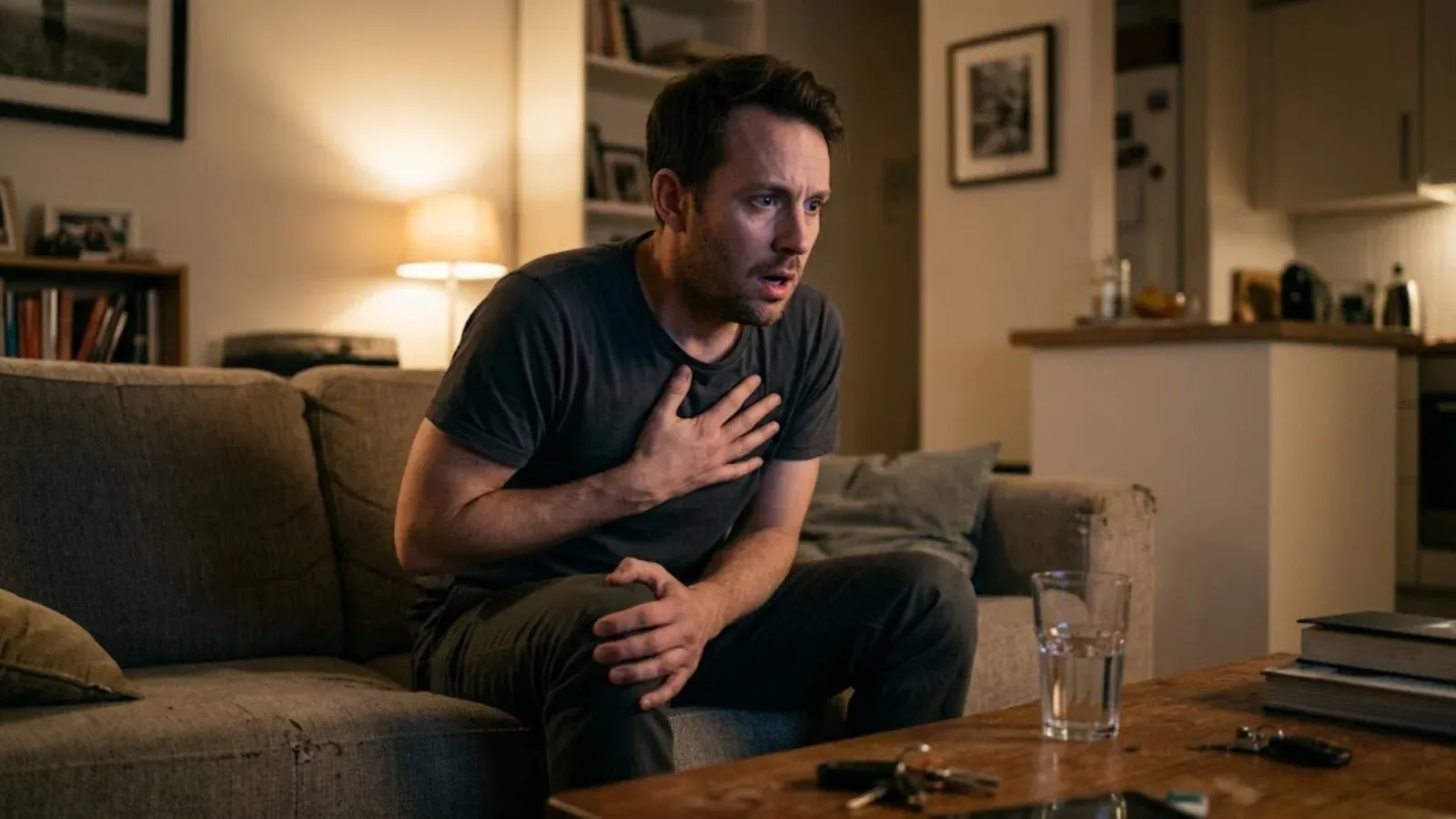
The signs of a panic attack are a sudden surge of intense fear with physical symptoms such as a racing heart, trouble breathing, chest tightness, trembling, dizziness and a sense of doom, usually peaking within minutes. Because the same symptoms can signal a heart problem, safety comes first. This guide covers eight signs, panic versus heart attack, what to do in the moment, and when to get help in Texas.
This article is for adults who think they may have had a panic attack, people who have been told "it's just anxiety" and are not sure, and family members who want to know how to respond.
What is a panic attack?
A panic attack is a sudden episode of overwhelming fear and physical symptoms that arrives without proportionate danger and peaks within minutes. The National Institute of Mental Health (NIMH) lists symptoms including a racing heart, sweating, trembling, trouble breathing, dizziness, chest pain and a sense of doom or loss of control, and advises a provider exam to rule out physical causes.
A single panic attack is not a disorder. Many people have one or two in their lives during periods of stress, illness or poor sleep. Panic disorder is the pattern that can follow: repeated attacks, persistent worry about the next one, and changes in behavior to avoid them.
Knowing the signs matters for two reasons. First, recognizing an attack as panic makes it less frightening. Second, knowing which symptoms overlap with medical emergencies tells you when to call 911 instead.
What are the 8 telltale signs of a panic attack?
The eight most recognizable signs of a panic attack are a pounding heart, shortness of breath, chest pain or tightness, sweating, trembling, nausea, tingling or numbness, and a sense of doom. The NIMH includes most of these in its list of panic attack symptoms.
- Racing or pounding heart. Often the first sign noticed, and the one most likely to be mistaken for a heart problem.
- Shortness of breath. A feeling of not getting enough air, or of needing to gasp, even though breathing is actually fast.
- Chest pain or tightness. Usually sharp or squeezing and tied to tense chest muscles and rapid breathing.
- Sweating. Sudden, sometimes drenching, without exertion or heat.
- Trembling or shaking. Hands, legs or the whole body; often noticed afterward as well.
- Nausea or stomach distress. The gut reacts strongly to adrenaline.
- Tingling or numbness. Usually in the hands, feet or around the mouth, often from fast breathing.
- Sense of doom or loss of control. A conviction that something terrible is about to happen, that you are dying, or that you are "going crazy."
Other common signs include dizziness, chills or hot flashes, and feeling detached from yourself or your surroundings. Not every attack includes every sign.
Panic attack or heart attack: how can you tell?
You usually cannot tell a panic attack from a heart attack reliably on your own, which is why new, severe or unusual chest symptoms should be treated as an emergency. The Centers for Disease Control and Prevention (CDC) lists chest pain, feeling weak, light-headed or faint, discomfort in the jaw, neck, back, arm or shoulder, and shortness of breath as major heart attack symptoms, and advises calling 911 immediately.
Clinicians look at the whole picture: your age, risk factors, the pattern of symptoms, and test results. A few general tendencies, which are not a substitute for evaluation:
- Panic tends to peak within minutes and ease; cardiac pain may persist or come with exertion.
- Panic often includes tingling, a sense of unreality and fear of losing control; those are less typical of a heart attack.
- Panic can follow a stressful thought; cardiac symptoms often follow physical effort.
If it is your first episode, if you have heart disease risk factors, or if anything feels different from past panic, call 911. If tests show your heart is healthy, that result is useful information for treating panic.
Why does panic feel so physical?
Panic feels physical because it is the body's emergency system firing at full strength without an emergency to spend it on. MedlinePlus explains that stress hormones make the brain more alert, tense the muscles and increase the pulse; in a panic attack, that response arrives all at once.
Fast breathing then adds its own symptoms. Breathing more than the body needs changes the balance of gases in the blood, which can cause tingling, lightheadedness and a feeling of unreality. Those sensations frighten people further, breathing speeds up more, and the loop tightens. This is why slowing the exhale is one of the most useful things to do during an attack.
Afterward, the body has to clear the adrenaline. Feeling shaky, exhausted or tearful for hours is common and not a sign that something went wrong.
What should you do during a panic attack? Step by step
During a panic attack, the goal is to ride out the peak safely rather than to make it stop, because fighting the attack usually prolongs it. Lyte Psychiatry offers therapy, psychiatric evaluation and medication management in Texas, and the steps below are the kind of plan a therapist helps patients rehearse.
- Safety first. If chest pain, faintness or breathing trouble is new or severe, call 911. If you are driving, pull over safely.
- Name it. "This is a panic attack. It is terrifying and it is not dangerous. It will peak and pass."
- Slow the exhale. Breathe in for about four counts and out for six or more. Do not force deep breaths; aim for slower ones.
- Anchor. Press your feet into the floor. Hold something cold. Name five things you can see.
- Stay if you safely can. Leaving the store or the meeting feels like relief but teaches the brain that the place was the threat.
- Wait it out. Check a clock. Peaks usually ease within minutes, even if they feel endless.
- Recover. Drink water, move gently, and avoid analyzing the attack for the rest of the day.
Write these steps in your phone. Reading a list mid-attack is much easier than remembering one. For more techniques, see eight grounding techniques for anxiety.
What to say to yourself and others
A few prepared phrases make it easier to get through an attack in public and to get help from the people around you. These are examples, not scripts.
- To yourself: "My body is doing a fire drill. There is no fire."
- To yourself: "I don't have to feel calm. I have to get through the next three minutes."
- To a coworker: "I'm having a panic attack. I'm okay. I just need a few minutes and some water."
- To a partner: "Please don't ask me what's wrong right now. Sit with me and breathe slowly; I'll follow you."
- To a doctor: "I had a sudden episode of racing heart, chest tightness and fear that peaked in a few minutes. I'd like to rule out medical causes and talk about panic."
If you are supporting someone, keep your voice low and slow, avoid "calm down," and offer one concrete thing at a time: a chair, water, a slower breath to copy.
When should you get help sooner?
You should get help sooner after a first attack to rule out medical causes, and when attacks repeat or begin to change what you do. MedlinePlus notes that diagnosing panic disorder includes a history, a physical exam and blood tests to rule out thyroid problems, and that the disorder involves ongoing worry about attacks and avoidance of places where they happened.
Red flags that mean evaluation should not wait:
- Chest pain, fainting or shortness of breath that is new, severe or different from past attacks. Call 911.
- Attacks are becoming more frequent, or you are afraid of the next one most days.
- You are avoiding driving, highways, stores, elevators or crowds.
- Attacks wake you from sleep.
- You are drinking or using substances to prevent attacks.
- Thoughts of death, self-harm or not wanting to be here. Call or text 988 now.
Panic is one of the most treatable anxiety conditions. The NIMH names therapy and medication as the main treatments for anxiety, and recommends getting help when symptoms interfere with life, cause avoidance or are always present. See why did I just have a panic attack for what often drives a first episode.
Panic attack care in Texas
In Texas, panic attacks can be evaluated and treated in person or by telehealth, and emergency symptoms are handled by 911 and emergency departments across the state. Lyte Psychiatry offers telehealth visits to patients who are physically located in Texas at the time of the visit, which suits people whose panic makes driving or waiting rooms difficult.
Federal guidance from telehealth.hhs.gov explains that providers must be licensed or legally permitted to practice in the state where the patient is located, and that rules vary by jurisdiction. Texas summers add a wrinkle: heat, dehydration and a racing heart from exertion can mimic or trigger panic in some people, so hydrate and pace outdoor activity. If panic strikes behind the wheel, see road trip anxiety: a safe plan for drivers and passengers.
Getting support in Texas
Lyte Psychiatry offers therapy, psychiatric evaluation and medication management in Texas. In-person visits are available at Lyte Psychiatry's clinic in Pantego, in the Dallas–Fort Worth area, and telehealth visits are available to patients physically located in Texas at the time of the visit. Most new patients are seen within 1–2 business days. Weekend appointments are limited. All Lyte Psychiatry services are available in Spanish. Availability, insurance and clinician fit require confirmation.
Lyte Psychiatry is an outpatient practice. It does not provide inpatient care, crisis or after-hours coverage, medically supervised detox, or intensive outpatient or partial hospitalization programs.
- Learn about anxiety and panic care at Lyte Psychiatry.
- Read about telehealth visits across Texas.
- Had your first episode? See your first anxiety attack: what happened and what's next.
- Ready to book? Contact Lyte Psychiatry.
If you are in a mental-health crisis in the United States, call or text 988. Call 911 for immediate danger.
Educational information, not a diagnosis or individual treatment plan.
Common Questions
Frequently Asked Questions
What are the most common signs of a panic attack?
The National Institute of Mental Health lists a racing or pounding heart, sweating, trembling, trouble breathing, dizziness, chest pain, and a sense of doom or loss of control among panic attack symptoms. Many people also notice nausea, chills or hot flashes, numbness or tingling, and a feeling of unreality. Attacks come on suddenly and feel far more intense than ordinary anxiety.
How do I know if it is a panic attack or a heart attack?
You often cannot tell on your own, and you should not try to. The CDC lists chest pain, feeling weak or faint, pain in the jaw, neck, back or arm, and shortness of breath as major heart attack symptoms and advises calling 911 immediately. If chest symptoms are new, severe or different from past panic, treat it as an emergency.
How long does a panic attack last?
A panic attack typically builds to a peak within minutes and then eases, though the shaky, drained feeling afterward can last much longer. If intense symptoms continue for a long stretch without any easing, or if they involve chest pain or fainting, that is a reason to seek medical evaluation rather than assume it is panic.
Can a panic attack happen for no reason?
Yes. MedlinePlus explains that panic disorder involves sudden attacks that can occur without a clear trigger, including during sleep, along with ongoing worry about the next attack and avoidance of places where attacks have happened. The lack of an obvious cause is part of what makes panic frightening, but it does not mean something is physically wrong.
What should I do during a panic attack?
Stay where you are if it is safe, lengthen your exhale, and anchor your attention on something concrete: your feet on the floor, a cold object, five things you can see. Remind yourself that the peak passes. Avoid fleeing the situation if you can, because leaving teaches your brain that the place was dangerous. If chest pain or faintness is new or severe, call 911.
When should I see someone about panic attacks?
After a first attack, a medical check is wise to rule out physical causes; MedlinePlus notes that diagnosis includes a history, exam and blood tests to rule out thyroid problems. See a mental health clinician if attacks repeat, if you are worrying about the next one, or if you are avoiding driving, crowds or other situations. Panic responds well to treatment.
Can panic attacks be treated by telehealth in Texas?
Yes, for evaluation, therapy and medication management. Lyte Psychiatry offers telehealth visits to patients who are physically located in Texas at the time of the visit, and in-person visits at its clinic in Pantego, in the Dallas–Fort Worth area. Emergency symptoms such as chest pain still require 911 or an emergency room. Availability, insurance and clinician fit require confirmation.
Further Reading
NIMH — Anxiety Disorders
Diagnostic criteria and treatment options
ADAA — Anxiety Statistics
40M Americans affected — prevalence and impact data
APA — Anxiety Overview
Clinical summary from the American Psychological Association
These topic resources supplement the references linked within the article.
Related Care and Resources
Lyte Psychiatry — Texas
Anxiety Treatment — Texas
Evidence-based care for generalized anxiety, social anxiety, panic disorder, and phobias.
Find Care Near You
Lyte Psychiatry serves patients across Texas — in-person in DFW and via telehealth statewide.
Don't see your city? View all Texas locations →
Questions about cost? View insurance and payment information