Sat Oct 17 2026
Teen Sports Performance Anxiety: How Parents Can Help
Pre-game nerves are common, but some teens feel sick, freeze, or want to quit. Learn the signs of performance anxiety, how to talk about it, and when to seek support.
Published by Lyte Psychiatry · Meet our care team
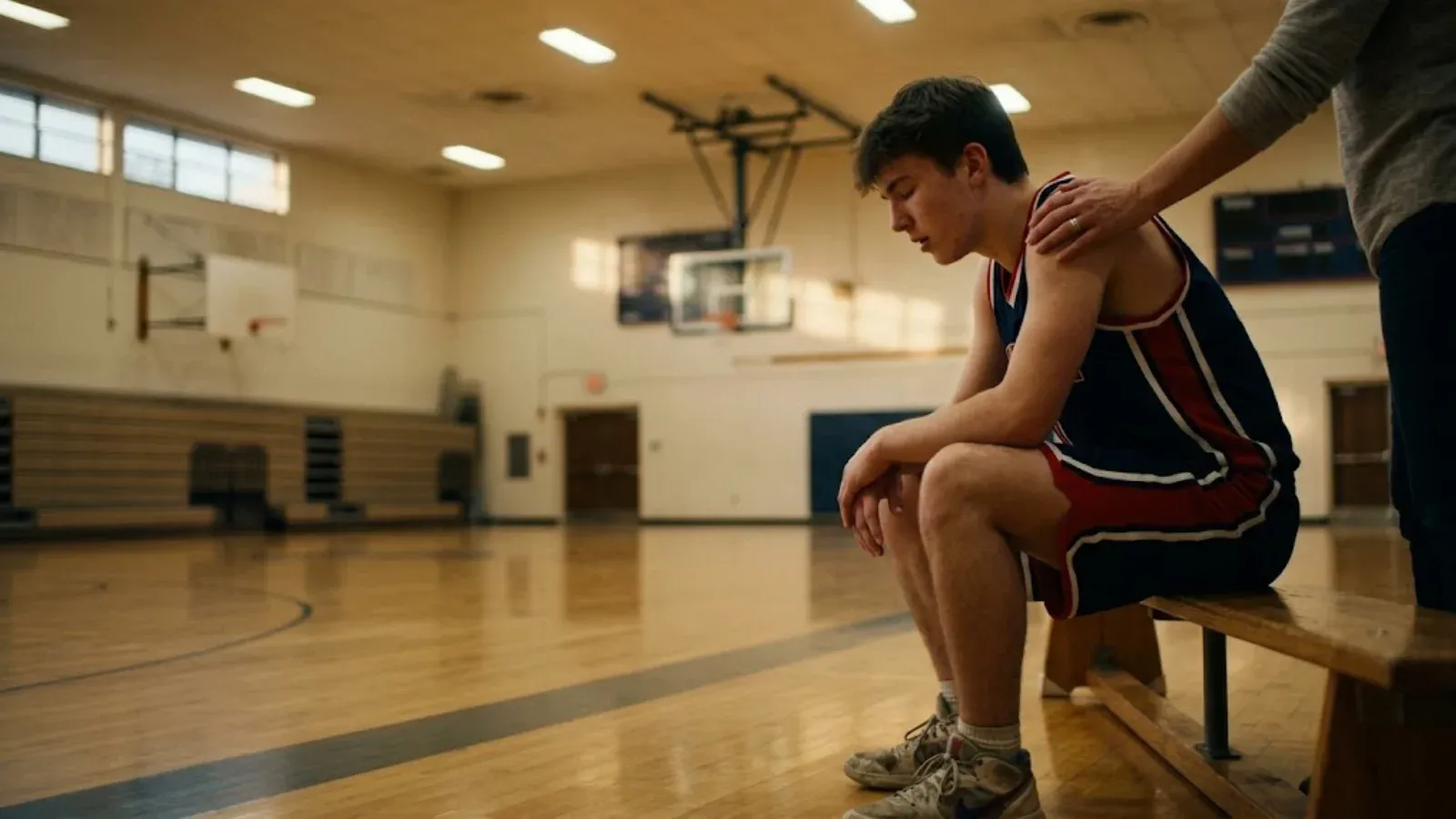
Some nerves before a game are normal and can sharpen focus. Teen sports performance anxiety is different: worry about mistakes or letting people down becomes so strong that a teen feels sick, freezes, avoids practice, or wants to quit something they used to enjoy. Parents can help by lowering pressure, listening, and knowing when to bring in support.
What are signs nerves have become a bigger problem?
- Stomachaches, nausea, or headaches before most games or practices.
- Trouble sleeping the night before competition.
- Freezing, or performing far below practice level, under pressure.
- Harsh self-criticism after mistakes that lasts for days.
- Making excuses to miss practice or games.
- Saying they want to quit, without another clear reason.
Medical causes of physical symptoms should be checked with the teen's doctor, especially if symptoms are new or severe.
Is it performance anxiety, depression, or something physical?
Teen sports performance anxiety usually centers on games, tryouts, or being watched, while depression and physical problems tend to show up beyond the field. Looking at where and when the struggle happens can help you decide what to do next.
Signs that point toward performance anxiety
- Worry builds before competitions, tryouts, or big practices.
- Your teen feels sick, shaky, or tense mostly on game days.
- They play well in practice but freeze or make unusual mistakes under pressure.
- They still enjoy other parts of life, such as friends, hobbies, and school.
Signs that something broader may be going on
The American Academy of Pediatrics guide to mental health in teen athletes describes depression signs such as sadness or irritability, losing interest in activities, changes in appetite or sleep, and trouble concentrating. If your teen has lost interest in most things, not just the sport, or seems down most days, talk with their pediatrician or a mental-health professional. Our guide to telling teen moodiness from depression can help you sort through what you are seeing.
Do not skip the medical side
Dizziness, headaches, fatigue, or trouble focusing can come from anxiety, but they can also have physical causes. If your teen recently took a hit to the head, follow the guidance in the CDC HEADS UP concussion resources, which state that a child with a concussion needs to be seen by a health care provider. A general checkup can also help rule out other health issues before you assume symptoms are only nerves.
How much pressure surrounds the sport?
Teens often feel pressure from many directions: coaches, teammates, scholarships, social media, and parents, even well-meaning ones. Ask yourself honestly how you talk about games at home. Do conversations focus on results, playing time, or comparisons? Small shifts can make a difference.
A simple game-day plan for families
A predictable routine can make game days feel less overwhelming. The goal is not to remove all nerves but to give your teen a few steady anchors.
The night before
- Pack gear together early so there is no last-minute scramble.
- Keep the evening low-key, and protect a normal bedtime as much as you can.
- Skip the pep talk about stakes. A simple “I’m looking forward to watching you” is enough.
The morning and drive
- Offer a familiar meal or snack your teen can handle when nervous.
- Let them choose the music or the quiet in the car.
- If they want to talk, listen more than you coach.
In the stands
- Cheer for effort and teammates, not just scores.
- Avoid shouting instructions. Your teen already has a coach.
Afterward
- Give your teen some space before talking about the game, especially after a tough loss.
- Offer food, water, and rest first. Feelings are often easier to discuss later.
- Let them decide whether to replay the game or move on to something else for the evening.
What if the parent is anxious, too?
Teens often notice their parents’ stress, even when nothing is said. If you find yourself tense for days before a game, replaying mistakes, or arguing with other parents, that pressure can spill over. It may help to notice your own reactions, take a breath before speaking after a loss, and talk with another adult about your worries instead of with your teen. Parents can benefit from support too, and taking care of your own stress is part of helping your child.
What should you say before and after games?
Before: keep it simple. “I love watching you play. Have fun.” Avoid last-minute advice.
After: let your teen lead. “Do you want to talk about it, or should we get food?” If they want feedback, ask what they thought went well first. Praise effort, teamwork, and recovery after mistakes rather than only outcomes.
How do you talk with a coach about performance anxiety?
A short, calm conversation with the coach can lower pressure without singling your teen out. Ask your teen first whether they want you involved and what they are comfortable sharing.
- Pick a private moment. Avoid right before or after a game. Ask for a few minutes by phone or after practice.
- Keep it brief and specific. For example: “My daughter has been getting very nervous before games. We’re working on it at home. Is there anything you’ve noticed?”
- Ask about routines. Some coaches are happy to let an athlete keep a short warm-up ritual, take a moment on the bench, or focus on one simple task in a game.
- Share only what is needed. Your teen’s health information belongs to them. You do not need to share a diagnosis or treatment details.
- Follow up with your teen. Tell them what was said so they do not feel talked about behind their back.
If a coach’s approach seems harsh or shaming, it is reasonable to raise that with the program’s leadership. A teen’s wellbeing matters more than any single season.
If your teen wants to quit
Try to understand the reason before deciding. Ask open questions such as, “What part of it feels hardest right now?” A teen who has simply outgrown a sport may be ready to move on. A teen who loves the game but feels sick with fear may benefit from support first, so the decision is not made by anxiety alone. Either way, let them know your love does not depend on whether they keep playing.
Skills that can help a teen athlete
- A short pre-game routine, such as the same warm-up and a few slow breaths.
- A cue word to refocus after a mistake, like “next play.”
- Focusing on what they can control: effort, preparation, attitude.
- Enough sleep, especially during busy seasons. Our guide to teen sleep deprivation has a family plan.
Coaches and school counselors can be allies. Consider sharing concerns with the coach if your teen agrees.
Special situations that can raise the pressure
Some moments in a teen’s sports life tend to bring extra worry. Planning for them ahead of time can help.
- Coming back from an injury. Fear of getting hurt again is common. Follow medical clearance, and let your teen ease back in without rushing.
- Tryouts and team cuts. Talk before the result about what will happen either way, so the outcome does not feel like a verdict on who they are.
- Recruiting and scholarships. When college or money is involved, every game can start to feel high stakes. Remind your teen that one performance rarely decides their future.
- Social media. Clips, comments, and rankings can follow a teen home. Consider agreeing on limits around checking posts after games.
- Busy schedules. Early practices, travel, and homework can squeeze sleep, and tired teens often feel more anxious. If school is suffering too, see our guide on how teen mental health can affect academic performance.
Myths and facts about teen sports performance anxiety
- Myth: Tough kids don’t get nervous. Nerves are common among athletes at every level. What matters is whether the anxiety is getting in the way.
- Myth: Pushing harder will build confidence. Extra pressure often makes fear worse. The AAP guide to parenting an athlete says support for your child should be unconditional and encourages parents to redefine success so disappointments are not seen as failures.
- Myth: If they quit, they’ll regret it forever. Sometimes a break or a different activity is the right choice. Kids should be able to take part without being pressured into a particular sport.
- Myth: Mental skills are only for elite athletes. The AAP article on mental skills for sports describes emotional regulation, positive self-esteem, and self-motivation as skills all young athletes can build. It also stresses that a child’s identity should not rest only on being an athlete.
Questions to ask before a first appointment
If you decide to seek help, a little preparation can make the first visit more useful. Consider writing down:
- When the anxiety started and what situations bring it on.
- Physical symptoms on game days, such as stomachaches, nausea, or trouble sleeping the night before.
- Whether anxiety shows up in school, social life, or other activities.
- Any recent injuries, illnesses, or changes at home or school.
- What your teen hopes will change, in their own words.
Not sure whether to start with a pediatrician, a therapist, or a psychiatric evaluation? Our guide to choosing between a pediatrician, therapist, or psychiatric evaluation for anxiety walks through the options.
When should you seek professional support for teen sports performance anxiety?
The NIMH child and adolescent mental health page lists warning signs such as loss of interest in activities, sleep changes, withdrawal, and self-harm. Reach out to a clinician if anxiety persists, spills into school or friendships, or comes with low mood, disordered eating, or substance use.
Therapy can teach coping skills for anxiety and help teens manage pressure. Lyte Psychiatry provides therapy and anxiety care for eligible patients in Texas; ask about age ranges and parent involvement when booking. Our guide to talking with a therapist or psychiatrist can help you prepare.
Call or text 988 for suicidal thoughts or an emotional crisis in the United States. Call 911 for immediate danger or a medical emergency. A routine appointment or online message is not emergency care.
Educational information, not a diagnosis or individual treatment plan.
Common Questions
Frequently Asked Questions
Are pre-game nerves normal for teens?
Yes, pre-game nerves are normal and can even help a teen focus and feel ready. Butterflies, a racing heart, or restlessness before a game are common. It becomes a concern when nerves are so intense that a teen feels sick, cannot sleep, avoids practice, or stops enjoying a sport they used to like.
What should I say to my teen after a bad game?
Start by letting them lead. A simple "I loved watching you play" or "That looked tough" often works better than analysis. Save coaching or critique for later, if at all, and focus on effort, recovery, and what they enjoyed. Your teen mainly needs to know your support does not depend on how they performed.
Should I let my teen quit the team?
It depends on the reason. Talk calmly about what is behind the wish to quit, such as anxiety, pressure, burnout, conflict, or simply changing interests. Sometimes finishing a season makes sense, and sometimes stepping away is healthier. If anxiety seems to be driving the decision, getting professional support first can help your teen choose more freely.
When should a teen athlete see a mental-health professional?
Consider professional help if performance anxiety causes ongoing physical symptoms, panic, sleep problems, avoidance, or a loss of enjoyment, or if it spills into school and friendships. Changes in mood, eating, or self-worth also deserve attention. If your teen talks about self-harm or suicide, call or text 988, or call 911 for immediate danger.
Why does my teen get so anxious before games?
Teens often feel pressure from coaches, teammates, parents, scholarships, or their own expectations, and they may tie their worth to how they perform. Fear of letting others down or being judged can make nerves spike. Asking what worries them most, without trying to fix it right away, can help you understand what is behind the anxiety.
How can I help my teen calm down before a game?
Help them build a simple, predictable routine, such as steady breathing, music, a warm-up, or a few encouraging words they choose. Keep your own pre-game talk light and avoid adding pressure about results. Remind them that nerves are normal and can be useful. If anxiety still overwhelms them, a therapist can teach more skills.
Further Reading
NIMH — Anxiety Disorders
Diagnostic criteria and treatment options
ADAA — Anxiety Statistics
40M Americans affected — prevalence and impact data
APA — Anxiety Overview
Clinical summary from the American Psychological Association
These topic resources supplement the references linked within the article.
Your next steps for anxiety care
Choose the question that fits where you are now. Self-help tools support reflection and preparation; they do not diagnose a condition or replace care.
Who could I meet?
- Toyin Awe, PMHNP-BCPsychiatric Mental Health Nurse Practitioner
- NaTascha Jones, LPCLicensed Professional Counselor
The clinic confirms clinician fit, availability and insurance participation before scheduling.
Meet all Lyte clinicians · Understand provider roles
What will it cost, and how do I book?
Check insurance and benefits · View self-pay prices
Request an appointmentSpecialized Care
Lyte Psychiatry — Texas
Anxiety Treatment — Texas
Evidence-based care for generalized anxiety, social anxiety, panic disorder, and phobias.
Find Care Near You
Lyte Psychiatry serves patients across Texas — in-person in DFW and via telehealth statewide.
Don't see your city? View all Texas locations →
Questions about cost? View insurance and payment information