Mon Mar 16 2026
Is My Teen Going Through a Phase, or Is It Depression?
A parent's guide to telling a teen's normal moodiness from depression: what to watch, how to start the conversation, red flags, and steps to an evaluation in Texas.
Published by Lyte Psychiatry · Meet our care team
Written by the Lyte Psychiatry clinical team. Clinically reviewed by Ana G., LPC, and medically reviewed by Dr. Akinwande Akintola, MD, supervising physician. Last reviewed: November 4, 2026.
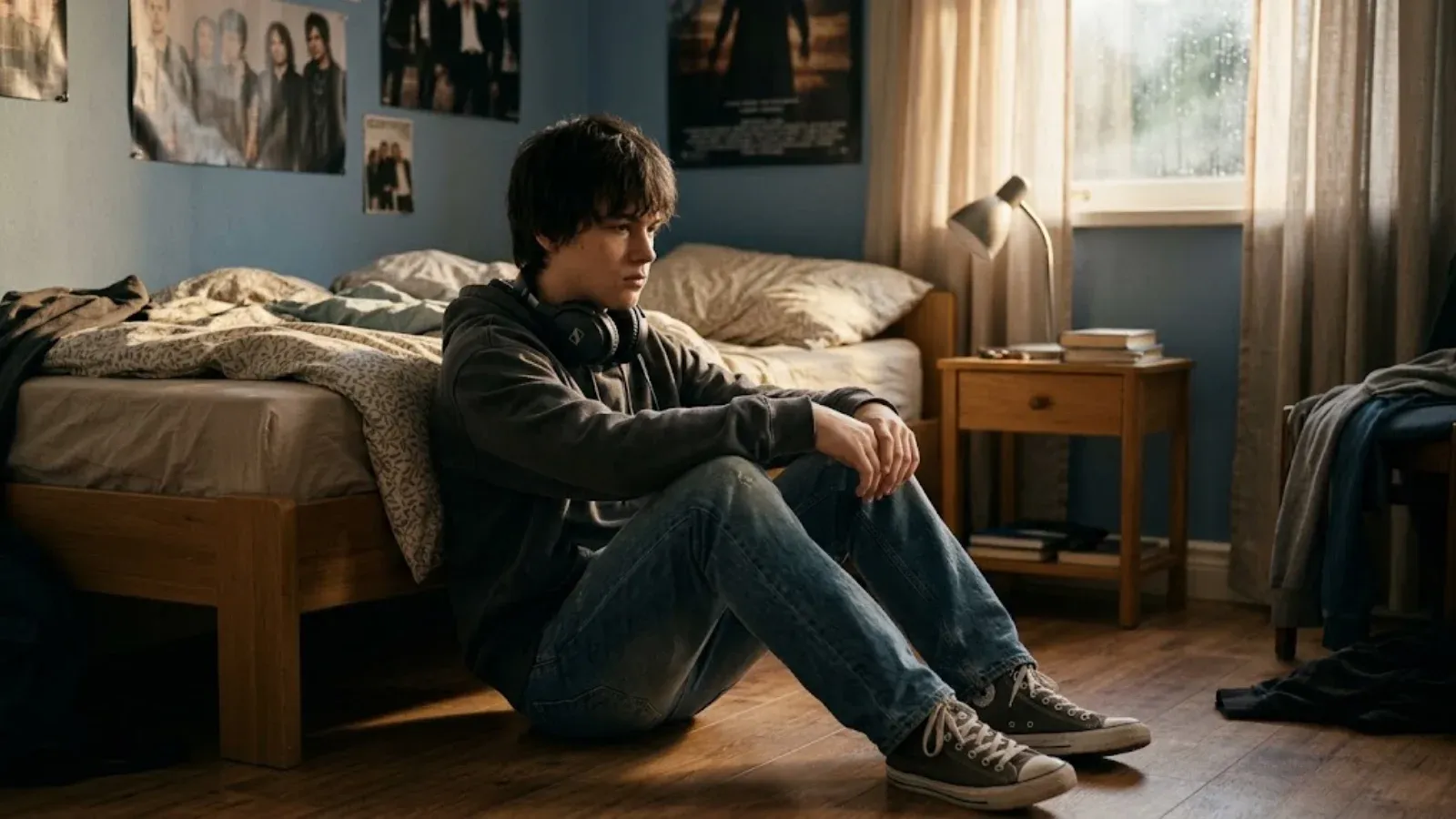
If you are asking "is my teen going through a phase," look at how long the change lasts, how intense it is, and whether it affects daily life. Ordinary moodiness passes within hours or a day. Depression lasts most of the day, nearly every day, for two weeks or more, and shows up in school, sleep, friendships and interests. When in doubt, check in and get an evaluation.
This guide is for parents and caregivers in Texas who have noticed changes in a teenager and cannot tell whether it is normal adolescence or something more. It covers what to watch, what to say, and how to get help.
Is my teen going through a phase, or is it depression?
Your teen may be going through a phase if the changes are brief, tied to a clear event, and do not stop them from functioning. Depression is more likely when low or irritable mood persists for weeks and spreads into many areas of life. The American Psychiatric Association (APA) describes depression symptoms as lasting most of the day, nearly every day, for more than two weeks.
Use three questions:
- Duration: Has this lasted two weeks or longer?
- Intensity: Is it stronger than you would expect for the situation?
- Impact: Is it affecting grades, sleep, eating, friends or activities?
For a closer look at timing, see our two-week rule for teen moodiness.
What does normal teen moodiness look like?
Normal teen moodiness looks like quick shifts in feelings, a stronger need for privacy, and more time with friends, while the teen still functions. Adolescents are working out independence, and some distance from parents is expected.
Typical, usually healthy changes include:
- Eye-rolling, arguing or wanting to be left alone at times.
- Staying up later and wanting to sleep in on weekends.
- Changing interests, friends or style.
- Short bursts of sadness after a breakup, a bad grade or a fight.
The key is that these moods lift, and your teen still finds enjoyment in some things. They may roll their eyes at dinner but still laugh with friends, finish homework and look forward to the weekend.
What are the signs of depression in teens?
Signs of depression in teens include persistent sadness, emptiness or irritability, loss of interest, and changes in sleep, appetite, energy and concentration. The National Institute of Mental Health (NIMH) teen depression fact sheet asks teens whether they often feel sad, anxious, worthless or empty, have lost interest in activities, or have dropping grades.
Watch for:
- Withdrawing from friends and family, or quitting activities they loved.
- Sleeping much more or much less.
- Appetite or weight changes.
- Falling grades or skipping school.
- Frequent headaches or stomachaches.
- Statements like "I'm worthless" or "What's the point?"
- Self-harm, such as cutting.
Why is teen depression easy to miss?
Teen depression is easy to miss because it often looks like attitude, laziness or anger rather than sadness. The Centers for Disease Control and Prevention (CDC) lists irritability and anger, trouble sleeping and physical symptoms among signs of anxiety and depression in children and teens.
Teens may also:
- Stay very busy to avoid their feelings.
- Use humor to cover distress.
- Seem fine at school but fall apart at home.
- Not have words for what they feel.
High-achieving teens can be overlooked. The American Academy of Pediatrics, through HealthyChildren.org, notes that perfectionism and pressure can raise the risk of depression in teen athletes.
Step-by-step: what should you do if you're worried?
If you are worried, observe, talk, and then involve a professional. Do not wait for certainty.
- Write down what you notice for a week: sleep, eating, mood, school and activities.
- Check in with school. Ask a teacher or counselor what they see.
- Choose a calm moment to talk with your teen.
- Book a visit with the pediatrician or family doctor.
- Ask for a referral to a therapist or psychiatric clinician if needed.
- Keep connection steady while you wait: meals together, shared drives, small routines.
Example: a hypothetical parent notices her 15-year-old has stopped eating breakfast, quit soccer and is sleeping through weekends. A week of notes shows the pattern is daily, not occasional. She shares the notes with the pediatrician, who screens for depression and makes a referral.
NIMH advises seeking help when behaviors last weeks or longer and cause distress, and suggests asking teachers and talking with your child's health care provider.
What should you say to your teen?
You should start with what you have noticed and why you care, then listen. Keep it short, calm and free of blame.
Conversation openers:
- "You've seemed really tired and down lately. I'm not upset; I just want to understand."
- "I've noticed you stopped going to practice. What's been going on?"
- "You don't have to tell me everything. Would you talk to someone else?"
- "Lots of people feel this way, and it can get better with help."
Checklist for the talk:
- Pick a low-pressure time, like a car ride.
- Put phones away.
- Reflect back what you hear.
- Avoid lecturing or fixing right away.
- Agree on one next step, such as a doctor visit.
If your teen resists help, frame the first appointment as "just one visit" and let them have a say in choosing the provider.
How can you support your teen at home while you wait for care?
You can support your teen at home by keeping routines steady, staying close without hovering, and lowering pressure where you can. Waiting for an appointment can feel long, and small daily actions still matter.
- Keep regular wake times and meals, even on weekends.
- Encourage daylight and movement, such as a short walk together.
- Reduce late-night screen time by charging phones outside the bedroom.
- Ease non-essential demands for a while, and talk with school about workload.
- Spend low-key time together without an agenda.
- Store medications, alcohol and firearms securely.
The CDC advises that the first step for a child's mental health concern is talking with a health care provider, so book that visit even if your teen seems a bit better. If you are still asking "is my teen going through a phase" after two weeks of watching, that question itself is a good reason to get a professional opinion.
For early signs in younger children, see untreated depression in children.
When should you get help sooner? Red flags
You should get help immediately if your teen talks about suicide, self-harm or wanting to die, even casually. NIMH lists warning signs such as talking about being a burden, feeling hopeless or trapped, withdrawing, giving away possessions and increased substance use.
Other urgent signs:
- Signs of self-harm, such as cuts or burns.
- Refusing to eat, or not sleeping for days.
- Seeing or hearing things others do not.
- Heavy alcohol or drug use.
- A sudden calm after a long period of distress.
The 988 Suicide & Crisis Lifeline explains that anyone can contact 988 for help when someone they care about is struggling. Do not leave a teen alone if they may be in immediate danger. Our mental health safety plan template can help families prepare.
How is teen depression treated?
Teen depression is usually treated with psychotherapy, sometimes combined with medication, and involves the family. NIMH states that depression can be treated with psychotherapy, medication or a combination. The CDC notes that cognitive behavioral therapy is commonly used for children and teens and that families should talk with a provider about medication questions.
Treatment often includes:
- A full evaluation, including a check for medical causes.
- Individual therapy to build coping and problem-solving skills.
- Family sessions to improve communication at home.
- School support when grades or attendance are affected.
Learn more about teen mental health and school performance and teen anxiety, which often occurs alongside depression.
How do Texas families get a teen evaluated?
Texas families usually start with the pediatrician or school counselor, then move to a therapist or psychiatric clinician. Parent or guardian consent is generally needed for a minor's treatment, though consent rules have exceptions and vary by state, so ask the practice about its process.
Telehealth can help with busy school schedules. Clinicians generally must be licensed in the state where the patient is located during the visit. Texas Health and Human Services lists 24-hour local mental health authority crisis lines by county for urgent situations.
Getting support in Texas
Lyte Psychiatry offers therapy, psychiatric evaluation and medication management in Texas. In-person visits are available at Lyte Psychiatry's clinic in Pantego, in the Dallas–Fort Worth area. Lyte Psychiatry offers telehealth visits to patients who are physically located in Texas at the time of the visit.
All Lyte Psychiatry services are available in Spanish. Which ages can be seen, availability, insurance and clinician fit require confirmation. Learn about depression care or contact the practice to ask. Lyte Psychiatry is an outpatient practice. It does not provide inpatient care, crisis or after-hours coverage, medically supervised detox, or intensive outpatient or partial hospitalization programs.
If you are in a mental-health crisis in the United States, call or text 988. Call 911 for immediate danger.
Educational information, not a diagnosis or individual treatment plan.
Common Questions
Frequently Asked Questions
How can I tell normal teen moodiness from depression?
Look at duration, intensity and impact. Normal moodiness tends to pass within hours or a day and does not stop a teen from functioning. Depression lasts most of the day, nearly every day, for two weeks or more, and affects school, sleep, friendships or interests. A change from your teen's usual self is a key clue.
Can teen depression look like anger instead of sadness?
Yes. The Centers for Disease Control and Prevention lists irritability and anger among signs of depression in children and teens. A teen who snaps at everyone, slams doors or seems constantly annoyed may be struggling with low mood. Ongoing irritability that is new or out of character deserves attention.
Should I wait to see if it passes?
A few days of watching is reasonable for mild changes after a clear event. The National Institute of Mental Health suggests seeking help when behaviors last weeks or longer and cause distress or problems at home or school. Do not wait if your teen mentions suicide, self-harm or hopelessness; get help right away.
What if my teen refuses to talk to me?
Keep the door open without forcing it. Choose low-pressure moments, such as car rides, and listen more than you speak. Let your teen know they can talk to another trusted adult, such as a school counselor or relative. Many teens open up later, especially when they sense the adult will stay calm.
Who should I contact first if I'm worried about my teen?
A pediatrician or family doctor is often a good first step. They can check for medical causes, screen for depression and refer you to a therapist or psychiatric clinician. The CDC advises that the first step is to talk with a health care provider. School counselors can also share what they observe.
Is it okay to ask my teen directly about suicide?
Yes. Asking directly and calmly does not plant the idea, and it shows your teen that the topic is safe to discuss. You might say, "Sometimes when people feel this low, they think about dying. Have you had thoughts like that?" If the answer is yes, call or text 988 together and do not leave them alone.
Can teens get a mental health evaluation by telehealth in Texas?
Many Texas practices offer telehealth for teens, though age ranges and consent requirements differ. Lyte Psychiatry offers therapy, psychiatric evaluation and medication management, with telehealth for patients physically located in Texas and in-person visits in Pantego. Whether a particular age can be seen, availability and insurance require confirmation.
Further Reading
NIMH — Depression Overview
Prevalence, symptoms, and evidence-based treatments
CDC — Mental Health Data & Statistics
National survey data on depressive disorders
APA — Depression Fact Sheet
Clinical guidance from the American Psychological Association
These topic resources supplement the references linked within the article.
Your next steps for depression care
Choose the question that fits where you are now. Self-help tools support reflection and preparation; they do not diagnose a condition or replace care.
Who could I meet?
- Dr. Akinwande Akintola, MDSupervisory Psychiatrist & Medical Director
- Prishina Jimenez, LPCLicensed Professional Counselor
The clinic confirms clinician fit, availability and insurance participation before scheduling.
Meet all Lyte clinicians · Understand provider roles
What will it cost, and how do I book?
Check insurance and benefits · View self-pay prices
Request an appointmentSpecialized Care
Lyte Psychiatry — Texas
Depression Treatment in Texas
Medication management and therapy for major depression, persistent depressive disorder, and seasonal depression.
Find Care Near You
Lyte Psychiatry serves patients across Texas — in-person in DFW and via telehealth statewide.
Don't see your city? View all Texas locations →
Questions about cost? View insurance and payment information