Tue Aug 25 2026
Caring for Aging Parents and Your Own Mental Health: The Sandwich Generation
Kids on one side, aging parents on the other, and no margin left. The resentment-guilt loop, the burnout-vs-disorder sorting, and care that fits your calendar.
Published by Lyte Psychiatry · Meet our care team
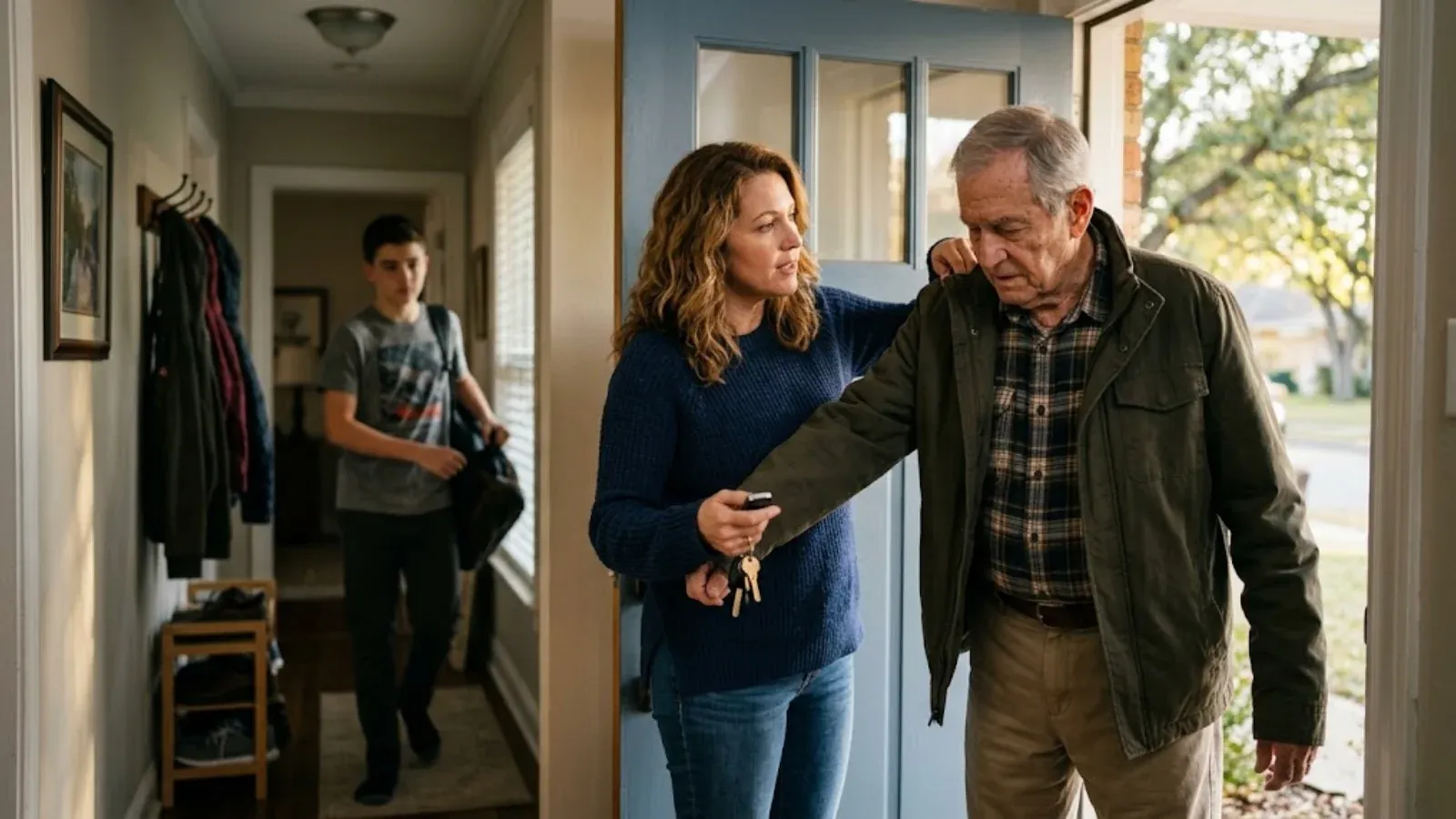
There's a stretch of midlife with a schedule like this: 7am, teenager to school. 9am, call the cardiologist about Dad. Noon, work. 4pm, practice pickup. 6pm, Mom's confused about her pills again. 10pm, spouse asks if you're okay and you say "just tired," which has been the answer for two years. The demographers call it the sandwich generation. The people living it mostly call it nothing, because naming it would require a free minute.
The math of being the middle of the sandwich
Millions of American adults, most often in their 40s and 50s, are simultaneously raising children and caring for aging parents. The mental health math is unforgiving: caregiving strain plus parenting load plus peak career years, minus the exercise, sleep, friendships, and margin that usually buffer stress. Chronic caregiver strain is a well-documented risk factor for anxiety and depression, per the CDC's mental health resources, and the sandwich version doubles the caregiving direction.
The symptom nobody reports: resentment, then guilt about it
The emotional signature of sandwich-generation burnout is specific: flashes of resentment toward people you love, followed immediately by guilt for feeling it, followed by working harder to compensate, which deepens the exhaustion that caused the resentment. Add the anticipatory grief of watching a parent decline and the identity vertigo of parenting your parent, and you have a load that would flatten anyone. If that paragraph read like your diary, the problem isn't your character. It's the load.
Burnout, anxiety, or depression: the sorting matters
Caregiver burnout eases when the load eases, respite actually restores you. An anxiety disorder keeps rehearsing catastrophes even during the quiet weeks. Depression flattens everything, including the kid's game and the rare dinner out. The GAD-7 and PHQ-9 take four minutes combined and sort the picture roughly; an evaluation sorts it precisely. The distinction drives the fix: logistics and boundaries for burnout, treatment for the disorders, often some of each.
Care that fits inside an impossible calendar
This is the population telehealth was made for: therapy from the car during practice, medication check-ins on a lunch break, evening slots when the house finally sleeps. Therapy for this chapter is concrete, boundaries, delegation scripts for siblings who "help" by phone, grief work that starts before the funeral, and if the load has tipped into a treatable disorder, treating it gives you back the capacity everyone else is drawing on. The airplane-oxygen-mask cliché survives because it's true.
The practical details: most new patients are seen within 1 to 2 business days, in person in the DFW area or by video anywhere in Texas and New Mexico. We're in network with BlueCross BlueShield, UnitedHealthcare, Cigna, Aetna, Humana, and Tricare, and most insured patients pay a $0 to $30 copay.
You schedule everyone else's appointments. This one is yours. Book online or call (469) 733-0848.
If you're having thoughts of harming yourself, call or text 988 (Suicide & Crisis Lifeline), available 24/7.
Medically reviewed by Dr. Akinwande Akintola, MD, Medical Director, Lyte Psychiatry. This article is educational and doesn't replace individual medical advice.
Common Questions
Frequently Asked Questions
What is the sandwich generation?
Adults, typically 40s and 50s, simultaneously raising children and caring for aging parents, a combination with documented mental health costs.
Is caregiver burnout a real medical thing?
Chronic caregiver strain is a recognized risk factor for anxiety and depression. Burnout itself eases with respite; the disorders it triggers need treatment.
How do I find time for therapy while caregiving?
Video sessions from wherever you are, evening slots, and 20-minute medication visits. Care built for full calendars is the point of telehealth.
Is it normal to resent the people I care for?
Common enough to be the signature symptom. Resentment is data about load, not evidence about love. Therapy helps convert it into boundaries instead of guilt.
My parent needs mental health care too. Can you see them?
Yes, Lyte treats older adults, accepts Medicare, and seeing two generations of one family in one practice happens more often than you'd think.
Further Reading
NIMH — Mental Health Topics
Evidence-based information on all major mental health conditions
SAMHSA National Helpline
Free, confidential 24/7 treatment referral service: 1-800-662-4357
CDC — Mental Health
Public health data and resources on mental health in the U.S.
These topic resources supplement the references linked within the article.
Your next steps for therapy
Choose the question that fits where you are now. Self-help tools support reflection and preparation; they do not diagnose a condition or replace care.
Who could I meet?
- NaTascha Jones, LPCLicensed Professional Counselor
- Prishina Jimenez, LPCLicensed Professional Counselor
The clinic confirms clinician fit, availability and insurance participation before scheduling.
Meet all Lyte clinicians · Understand provider roles
What will it cost, and how do I book?
Check insurance and benefits · View self-pay prices
Request an appointmentSpecialized Care
Find Care Near You
Lyte Psychiatry serves patients across Texas — in-person in DFW and via telehealth statewide.
Don't see your city? View all Texas locations →
Questions about cost? View insurance and payment information
Ready to get help?
Lyte Psychiatry serves patients across Texas — in-person in the DFW area and virtually statewide.
Book an Appointment →